Tom Wicks

Stride

A subscription running app where users compete to control the biggest territory.

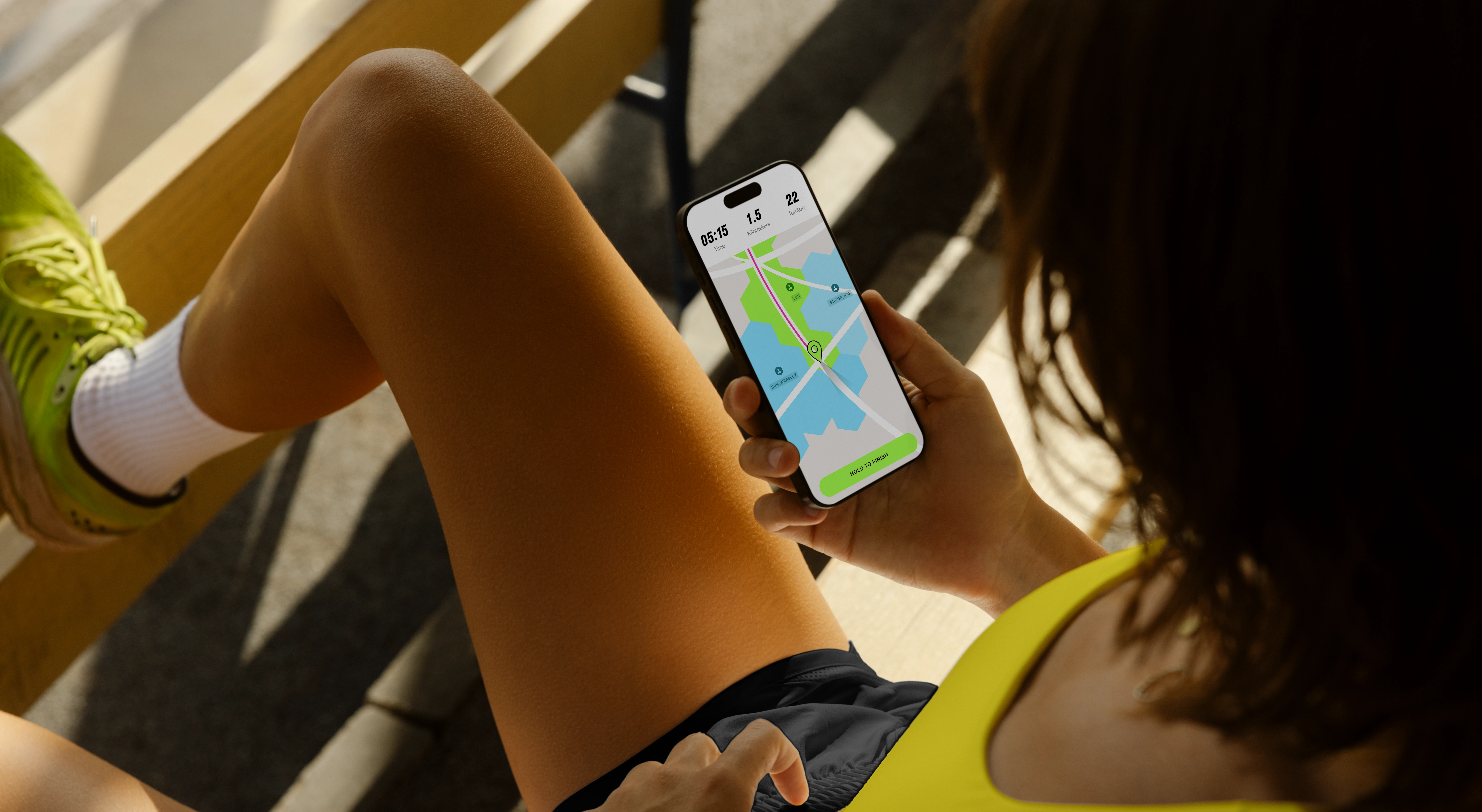
A woman using the Stride app, showing a map with a highlighted running route marked by a location pin.

Stride brings the real and game worlds together to make running more fun

Context

In the summer of 2020, I worked as the lead designer on the minimum viable product for Stride, a location-based running app built on the same GPS territory-capture technology as Run an Empire.

I was responsible for shaping the product from early concept through to launch, defining the core user experience, key interaction patterns, and visual direction. Working closely with the founders and engineering team, I focused on distilling a complex, map-driven mechanic into something intuitive and motivating for everyday runners, ensuring the MVP proved both technical feasibility and user appeal.

In Stride, thousands of neighbouring players compete for control over a specific piece of land, encouraging people to get out and move - whether that’s walking to work, training for a marathon, or hiking at the weekend.


Animated diagram showing a user’s running route gradually forming territory they control.

As users run, the map fills with territory they’ve claimed

A runner moving across rocky terrain, with game visuals from Run_Weasley emerging from their movement.

A players real-world run becomes progress in the game

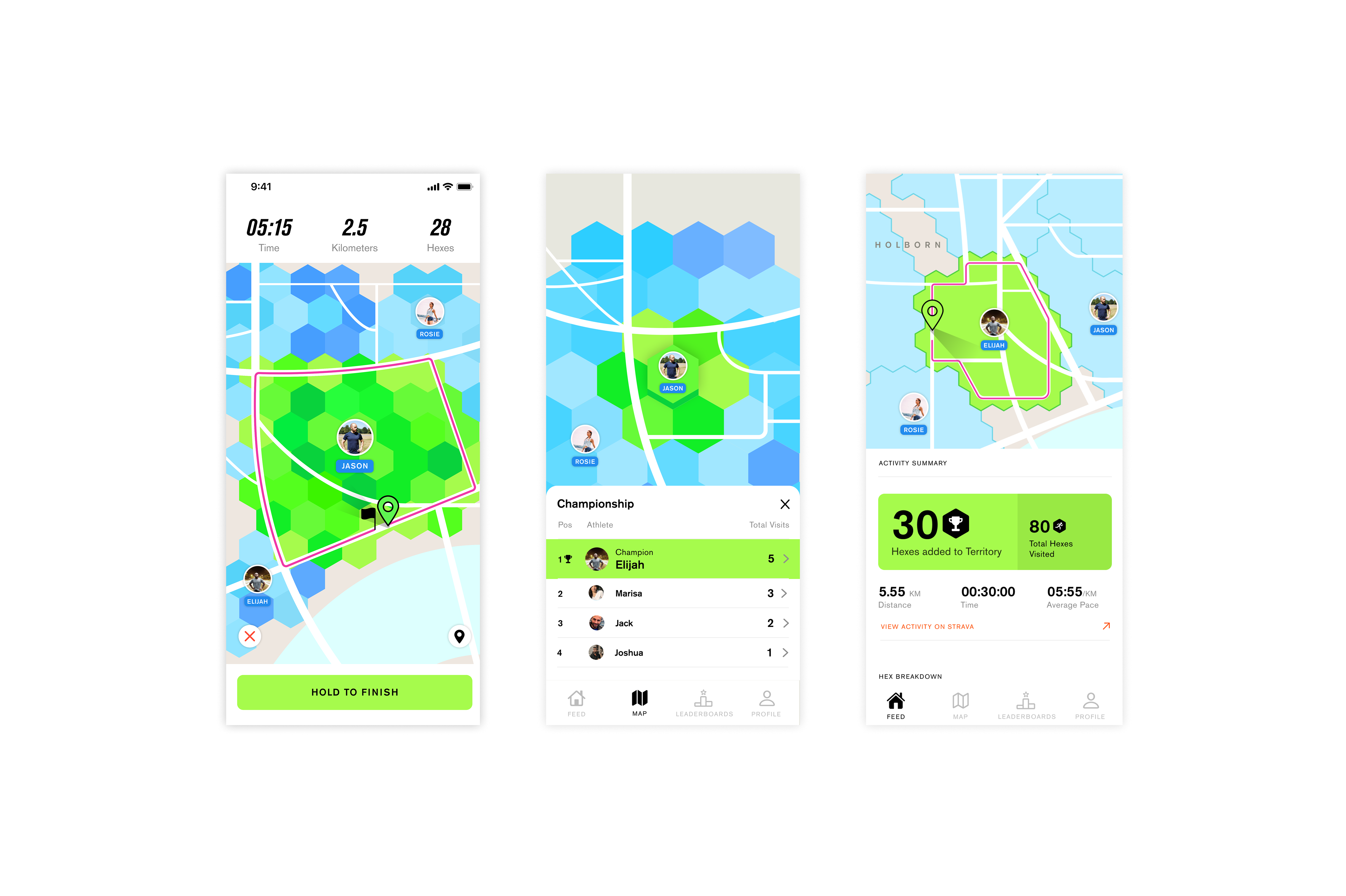
3 screenshots of the Stride map showing competition between players

Core game screens showing the competition between players

Research and Discovery

We’d learned through user research at Run an Empire that some users loved the core mechanics of Run an Empire, but wanted a more competitive and running-focused product. I was part of a small team that was set up to discover how a product like that could work.

Over a few weeks, I created wireframes of how users would interact with the app and each other, working closely with the engineering team to understand what was possible.

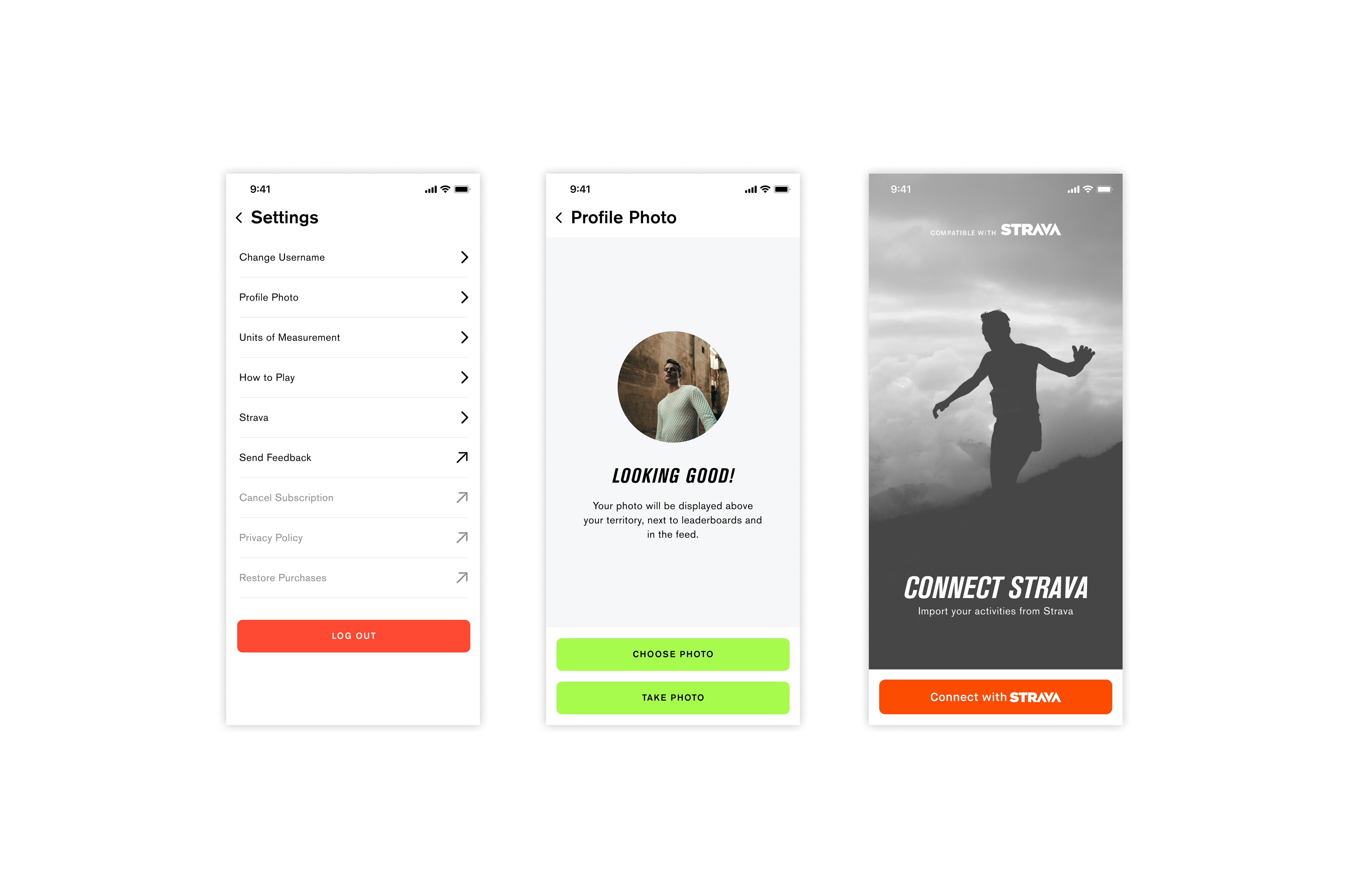
3 screenshots showing the settings screen and integration with Strava in the app

We made it easy to connect a Strava account, so players can run without carrying their phone

Design Solution

I then started to build some clickable prototypes in Figma which allowed us to create a shared understanding of the minimum viable product and how we could deliver it. We then had a week to build a playable prototype.

To speed things up I started to build the UI directly inside the game engine. This meant the lead developer and I worked closely together over the week-long sprint.

After the week we had a product that we could put into the hands of users. We sent it out to a small group of people for testing and conducted usability interviews. We used the insights from this to iterate on the product to make it a better fit with users’ existing running behaviour and ultimately make it more competitive - adding new features like Strava integration and leaderboards.

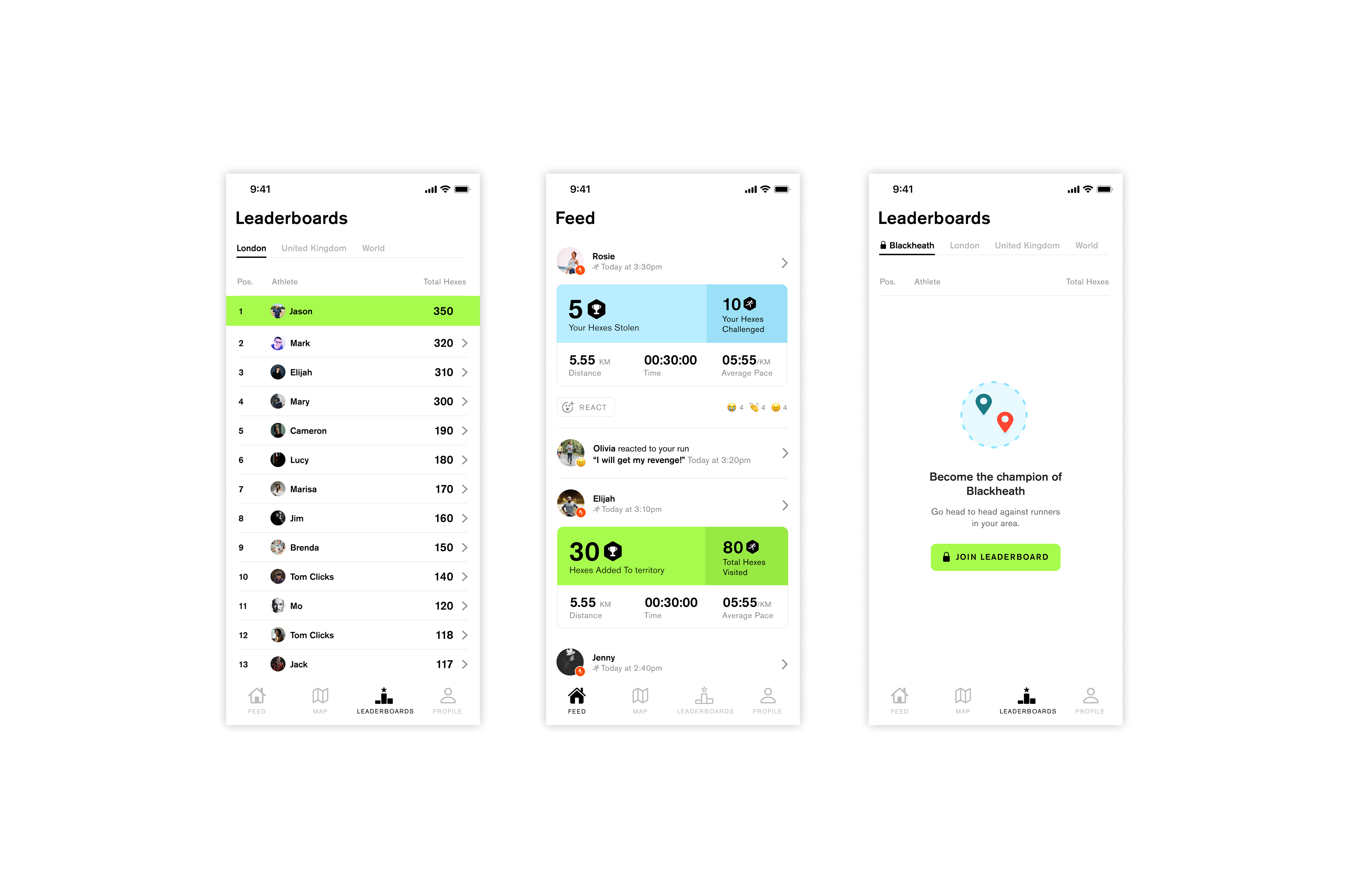
3 screenshots showing the leaderboard and competitive features in Stride

Leaderboards made it fun to compete with neighbours and friends

Results and Impact

In a short space of time, working closely together we were able to validate a successful minimum viable product. Since Stride launched on the App Store it has seen a growing user base of dedicated users and has received additional funding. It currently has a 4.7 star rating.

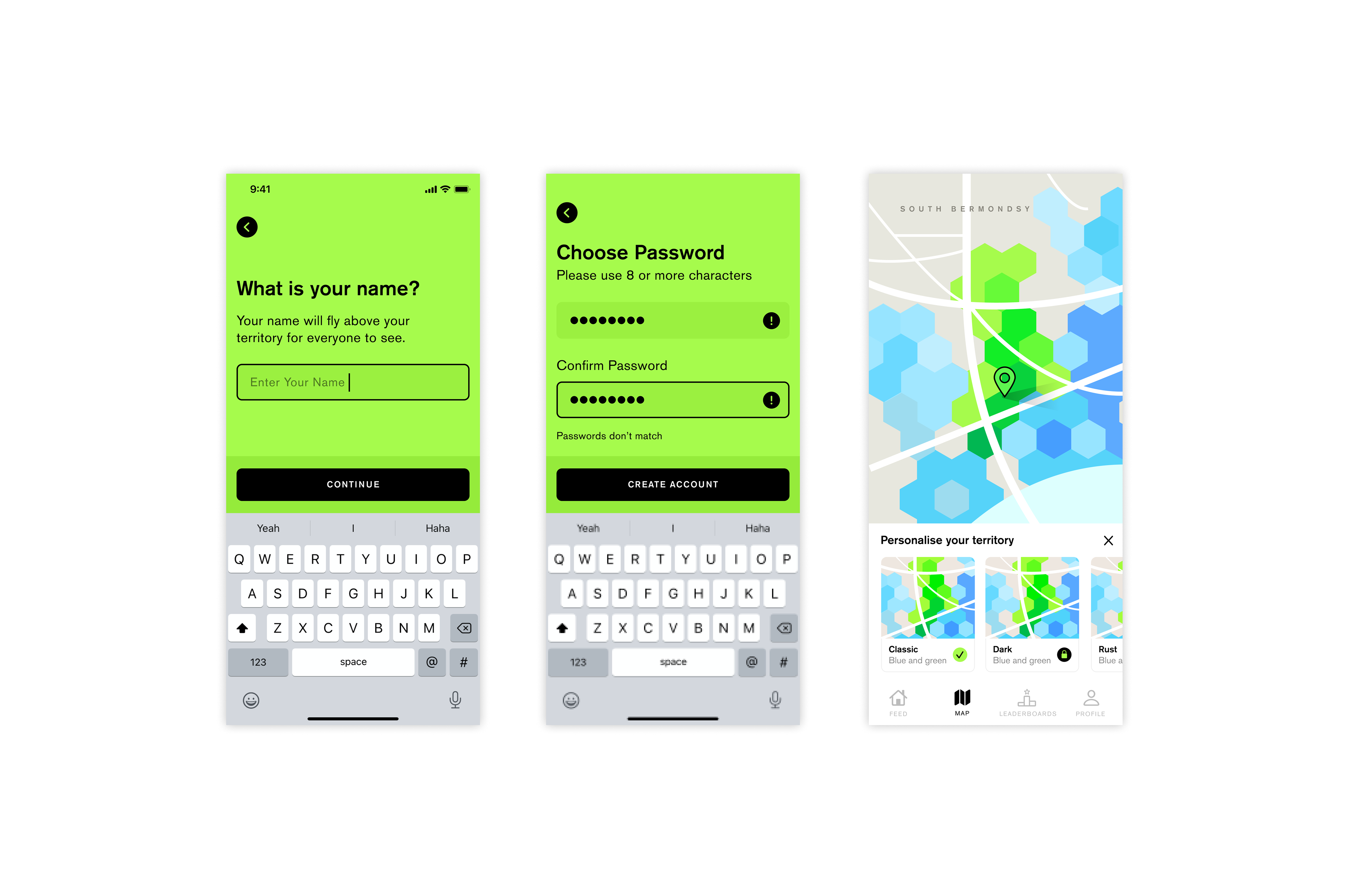
3 screenshots showing creating an account and customising the map on Stride

Account creation and map customisation screens